Rapper Nicki Minaj — one of the most influential voices in hip-hop over the last decade — is suddenly at the center of a surprising political storm. Multiple online petitions are circulating that call for Minaj to be deported to her native Trinidad and Tobago, and they’ve gained significant traction online.
What’s Happening?
According to recent reports, several Change.org petitions targeting Minaj’s U.S. residency status have collectively collected well over 100,000 signatures. X (formerly Twitter)+1 Petition organizers argue that her recent political statements and public appearances are at odds with the values of many fans. X (formerly Twitter)
One of the most visible petitions claims that Minaj’s shift in rhetoric — particularly her alignment with some conservative figures and causes — has alienated parts of her fan base who once saw her as a champion of progressive issues.
Why Deportation?
Here’s where things get controversial:
- Nicki Minaj was born in Trinidad and Tobago and does not hold U.S. citizenship, though she has lived in the U.S. since childhood.
- Petition organizers argue that her controversial public statements and political leanings justify reviewing her immigration status — including deportation back to Trinidad.
- Some petitions even frame the issue as one of accountability, saying celebrities should face consequences when their words and actions offend communities they once supported.
Critics of the petition, meanwhile, argue that political disagreement alone is not a reasonable basis for deportation — especially given the deeply personal nature of immigration status. Many fans view the petition as symbolic of broader cultural frustrations more than a legally viable demand.
What Led to This Moment?
The petitions didn’t emerge in a vacuum. In recent months:
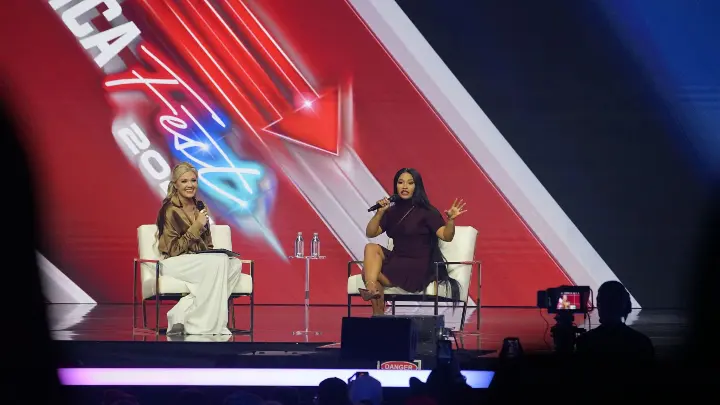
- Minaj has appeared at conservative-aligned events and praised figures like former President Trump and Vice President J.D. Vance — moves that surprised many of her longtime fans.
- She has made statements critical of certain LGBTQ+ issues and progressive policies that once helped cement her fan support.
- These shifts have prompted a sharp split in her fan community — with some loyal followers feeling betrayed and others defending her right to speak her mind.
The Bigger Picture
The buzz around the petitions highlights a unique moment in celebrity and politics:
- Immigrant artists often become symbols for cultural communities — and when their views change, fans can feel personally affected.
- Today’s digital activism — from Change.org to social media crowds — means that petitions can go viral quickly, even if they raise questions about feasibility and fairness.
Whether these petitions will influence any real governmental action remains uncertain. But one thing is clear: Nicki Minaj’s political evolution has sparked one of the most unusual debates in her career — and it’s a conversation that extends far beyond music into identity, politics, and public accountability.